
Home > Product Sticker > Custom Garment & Apparel Label Printing | FNLabels
Custom Garment & Apparel Label Printing | FNLabels
Custom Garment & Apparel Label Printing | FNLabels
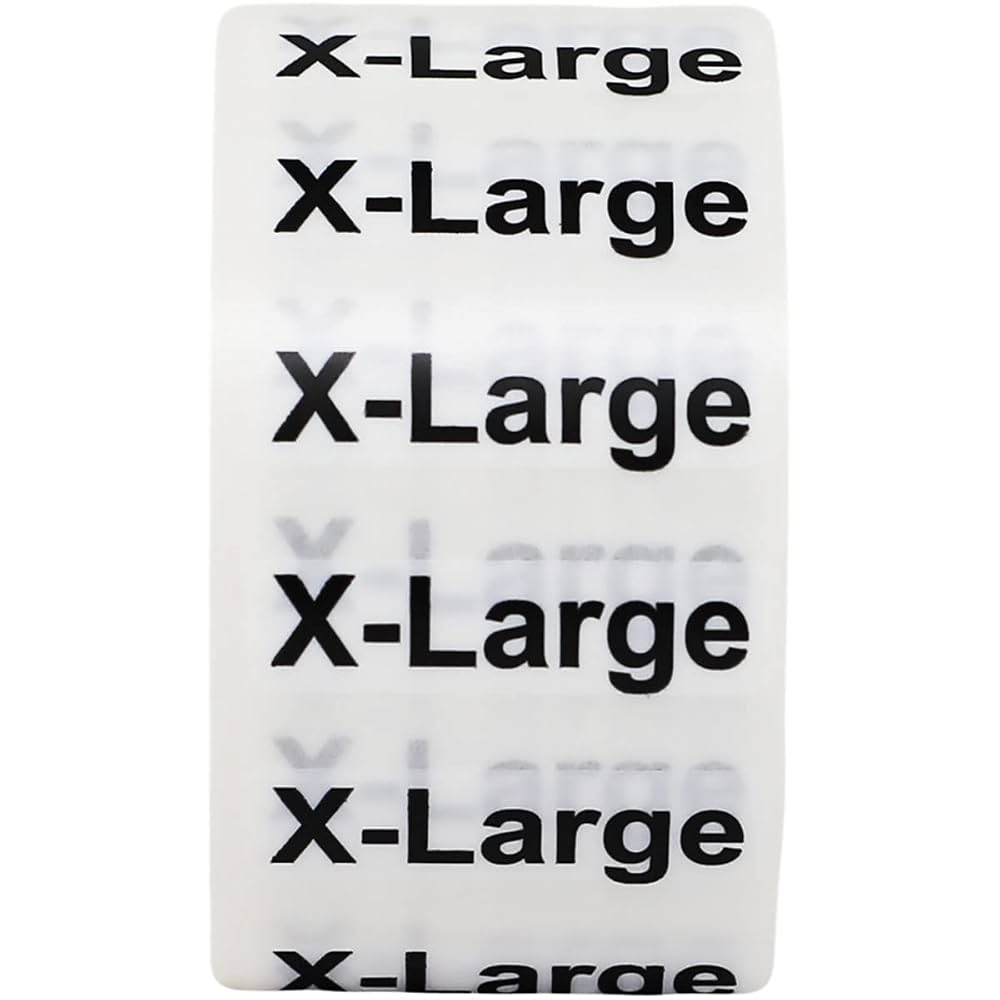


Our Garments & Apparels Labels are crafted to elevate your brand identity and provide essential product details such as size, fabric composition, care instructions, and origin. These labels are ideal for fashion brands, clothing manufacturers, boutiques, and textile exporters.
Available in a range of materials including satin, taffeta, cotton, and polyester, these labels can be printed or woven to match your style. We also offer heat-transfer, sticker-based, and sew-in labels to suit different garment types and applications.
Key Features:
Printed, woven, and heat-transfer options
Soft, skin-friendly materials for comfort
Custom branding, logos, and size details
Washproof, colorfast, and durable
Suitable for inner wear, outerwear, and fashion garments
Types of Apparel Labels
Apparel labels play a crucial role in branding, product identification, and customer communication. Different types of clothing labels are used depending on the garment and brand requirements.
Woven Labels
Woven labels are created by weaving threads together to form logos, brand names, and designs. They offer a premium look and are highly durable, making them ideal for fashion and luxury apparel.
Printed Labels
Printed labels feature information printed directly onto fabric or satin material. They are cost-effective and suitable for displaying detailed text, care instructions, and sizing information.
Heat Transfer Labels
Also known as tagless labels, heat transfer labels are applied directly to the garment using heat and pressure. They provide maximum comfort by eliminating traditional tags.
Satin Labels
Soft and smooth, satin labels are commonly used for lingerie, baby clothing, and premium garments where comfort is a priority.
Size Labels
These labels indicate garment sizes and help customers identify the correct fit. They are often used alongside brand labels.
Care Labels
Care labels contain washing, drying, ironing, and maintenance instructions to help consumers properly care for their clothing.
Woven vs Printed Labels
Both woven and printed labels serve important functions in apparel branding, but they differ in appearance, durability, and application.
Woven Labels
-
Premium and professional appearance
-
Highly durable and long-lasting
-
Resistant to fading and wear
-
Best suited for logos and brand names
-
Ideal for high-end fashion and luxury garments
Printed Labels
-
Cost-effective for large production runs
-
Suitable for detailed information and small text
-
Available in various materials and finishes
-
Faster production process
-
Commonly used for care instructions and product information
Which Option is Better?
Woven labels are preferred when brand presentation and durability are priorities, while printed labels are ideal for displaying detailed information at a lower cost. Many apparel brands use both label types to achieve the best combination of branding and functionality.
Compliance & Care Labels
Compliance and care labels are essential components of garment labeling. They help brands meet industry regulations while providing important information to consumers.
Care Instructions
Care labels typically include:
-
Washing instructions
-
Bleaching guidelines
-
Drying recommendations
-
Ironing temperatures
-
Dry-cleaning information
Fiber Content Information
Many countries require apparel labels to disclose fabric composition, such as cotton, polyester, rayon, or blended materials.
Country of Origin
Garments often need to indicate where the product was manufactured to comply with international trade and labeling regulations.
Size and Product Identification
Labels may also include sizing information, style numbers, batch codes, or manufacturer details for product traceability.
Regulatory Compliance
Accurate apparel labeling helps brands comply with textile labeling regulations, reduce customer confusion, and build trust with consumers.
FAQs
What are apparel labels used for?
Apparel labels are used for branding, sizing, care instructions, fabric identification, and regulatory compliance.
Which is better: woven or printed labels?
Woven labels offer greater durability and a premium appearance, while printed labels are more economical and suitable for detailed information.
Are care labels mandatory?
In many markets, care labels are required to provide consumers with proper garment maintenance instructions and product information.
Can apparel labels be customized?
Yes, apparel labels can be customized with logos, colors, sizes, materials, and finishing options to match brand requirements.
What information should be included on a clothing label?
A clothing label may include the brand name, size, fabric composition, country of origin, care instructions, and compliance details.
How long do apparel labels last?
High-quality woven labels can last for the lifetime of a garment, while printed labels are designed to withstand regular washing and wear.
FAQ
No FAQs found.